The Invisible AI: The Unsung Heroes in Our Daily Lives
AI often dominates the headlines for all the wrong reasons.
We hear about chatbots writing essays, AI-generated images, self-driving cars, and the latest breakthrough that promises to change everything. Those developments are certainly exciting, but they can also distract us from the AI that's already making a real difference every day.
Some of the most impactful uses of artificial intelligence aren't glamorous at all. They work quietly in the background, solving practical problems that most of us never stop to think about.
Let's take a look at a few examples.
AI in Waste Management
When most people think about AI, recycling probably isn't the first thing that comes to mind.
Yet it's one of the areas where artificial intelligence is having a tangible impact.
Take AMP Robotics' Cortex system, for example. Using computer vision and machine learning, it can identify and sort recyclable materials far more quickly and consistently than traditional manual sorting.
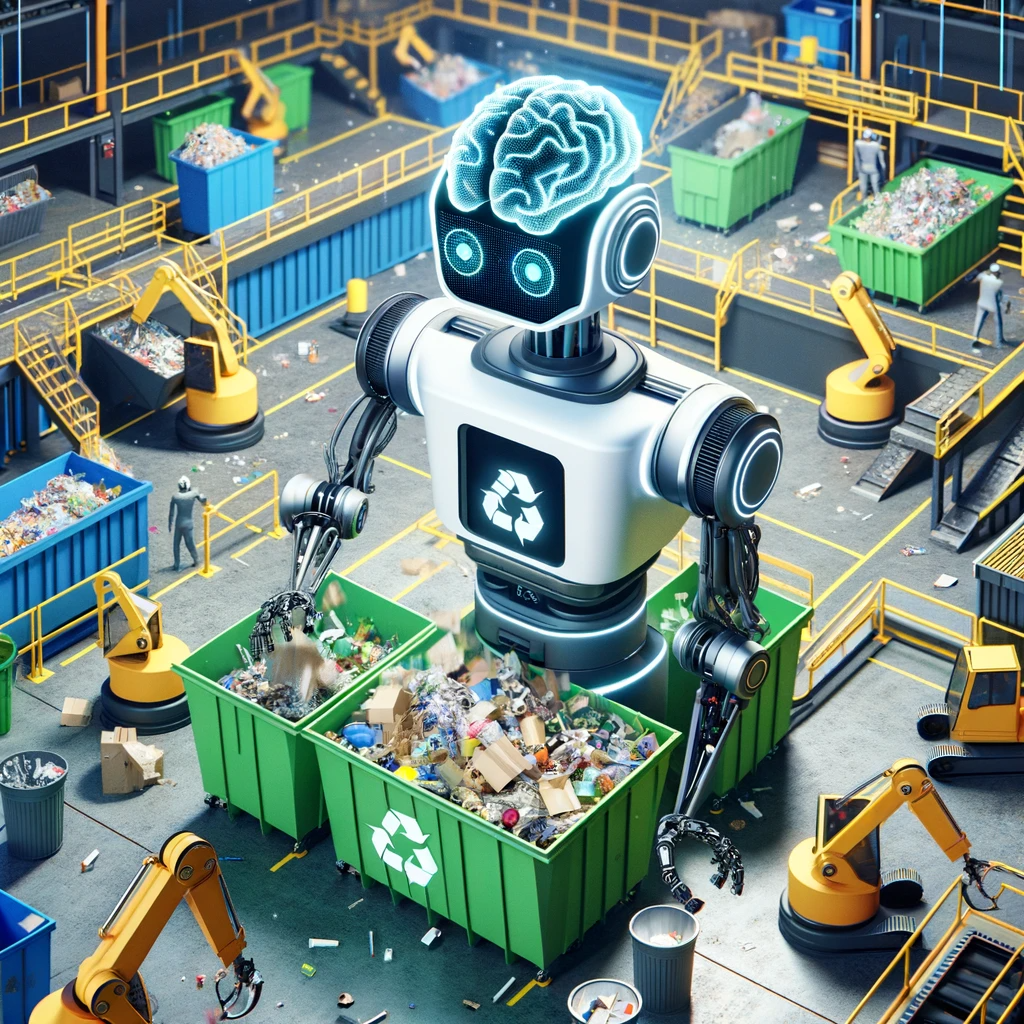
The result is better recycling rates, less material ending up in landfill, and a more efficient recycling process overall.
It's not the sort of AI that makes the evening news, but it's quietly helping reduce waste every single day.
AI in Agriculture
Feeding a growing population has never been a simple challenge, and AI is becoming an important tool for modern farmers.
One impressive example is John Deere's See & Spray technology.
Rather than spraying an entire field with herbicide, the system uses cameras and AI models to distinguish crops from weeds. It then applies treatment only where it's needed.
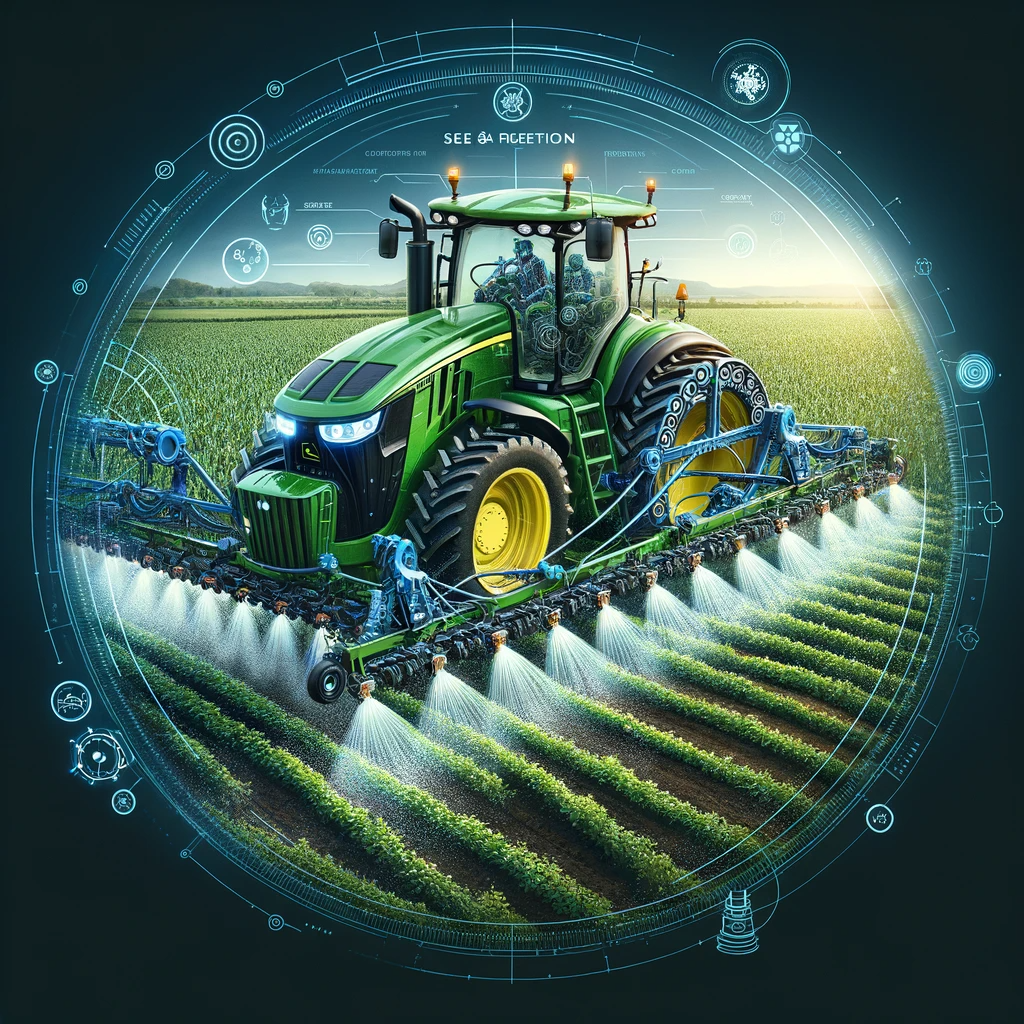
That means farmers can use significantly less herbicide while maintaining healthy crops. It's a practical application of AI that benefits both agriculture and the environment.
AI in Water Management
Water is one of our most valuable resources, and managing it efficiently is becoming increasingly important.
Companies such as Xylem are using AI to help monitor water networks, predict equipment failures, detect leaks, and optimise water distribution.
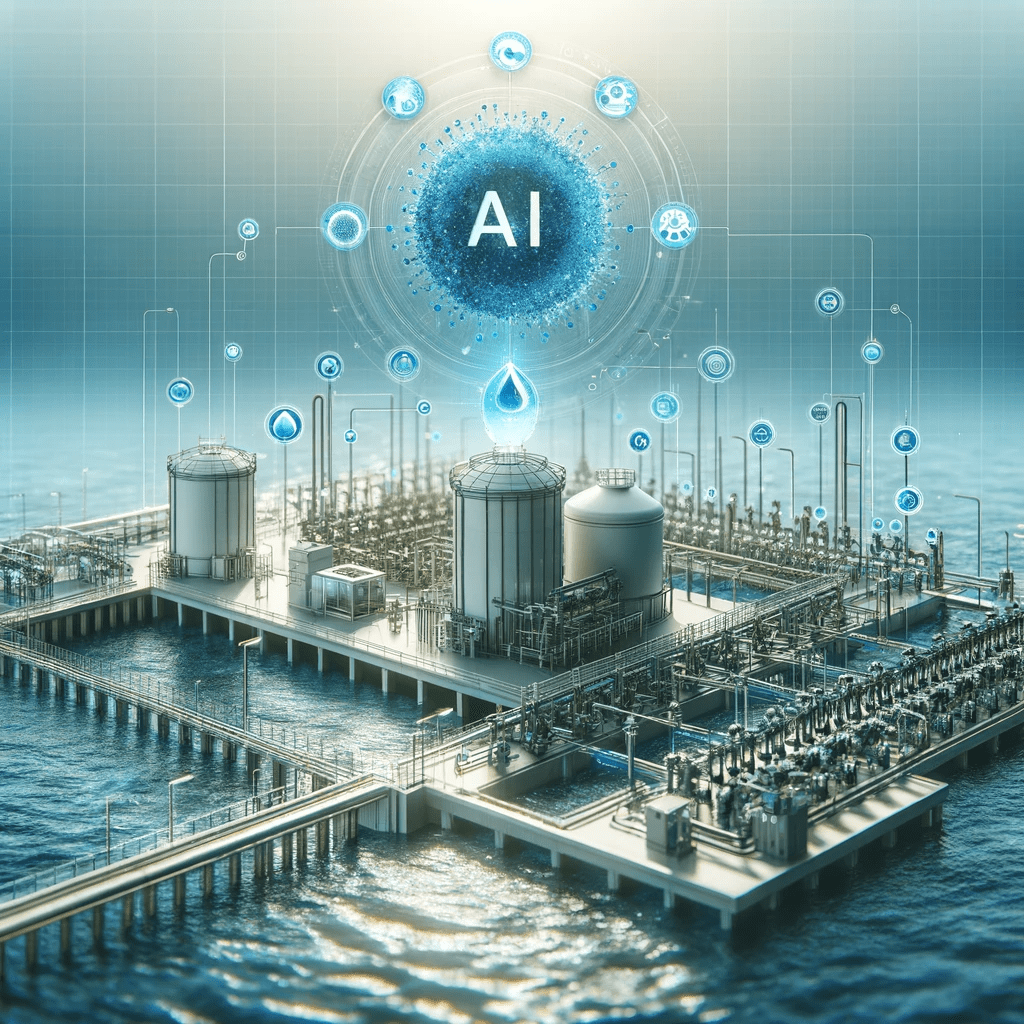
Instead of reacting after problems occur, utilities can identify issues much earlier, reducing waste and improving the reliability of water services.
Once again, it's not particularly glamorous, but it's exactly the sort of problem AI is well suited to solving.
The AI We Rarely Notice
These examples all have something in common.
Most people will never interact directly with these systems.
You won't notice AI sorting your recycling.
You won't see it deciding which weeds to spray.
You probably won't think about it when you turn on the tap.
And perhaps that's the point.
The best technology often fades into the background. It simply does its job so well that we stop noticing it's there.
Final Thoughts
When conversations about AI come up, it's easy to focus on the latest chatbot or image generator.
But some of the most valuable applications of artificial intelligence are happening behind the scenes, helping industries become more efficient, more sustainable, and better equipped to solve everyday challenges.
As AI continues to evolve, I suspect we'll see even more of these "invisible" applications. They may never become household names, but they'll quietly improve the systems we all rely on.
The next time you recycle a bottle, enjoy fresh produce, or simply turn on the tap, it's worth remembering that AI may already have played a small part in making those everyday moments possible.